The Light of Truth Shineth from the Faces of Those Who Engage in Consultation : Why Do We Remain Silent in Consultation Meetings?
Introduction
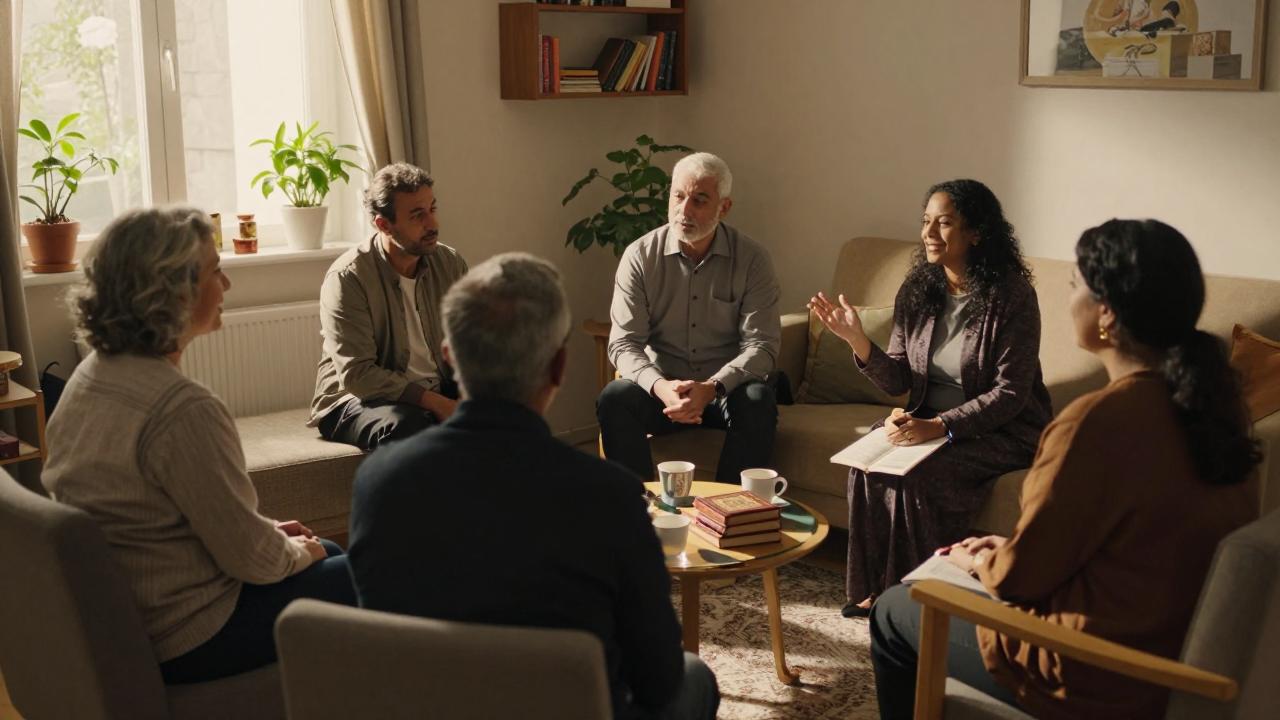
In every consultation meeting, a moment arrives when silence falls over the gathering. Not a silence of contentment, but a silence born of hesitation, fear, or a sense of futility. Yet ‘Abdu’l-Bahá affirms: “The light of truth shineth from the faces of those who engage in consultation”-2. This raises a question: if the light of truth shines through consultation, why is a voice sometimes left unheard?
This article is an invitation to reflect on these silences and to explore the gems that remain hidden within them—gems that could transform the path of consultation.
Consultation in the Bahá’í Faith: A Divine Foundation and a Lamp of Guidance
The Bahá’í Faith regards consultation not merely as an administrative method, but as a divine foundation. Bahá’u’lláh states: “The heaven of divine wisdom is illumined with the two luminaries of consultation and compassion… Consultation is a lamp of guidance that shows the path and bestows understanding”-20. This perspective elevates consultation from a simple discussion to a collective act of worship.
‘Abdu’l-Bahá, in explaining this principle, states: “Man must consult on all matters, whether major or minor, so that he may become cognizant of what is good. Consultation giveth him insight into things and enableth him to delve into questions which are unknown”-2. This insight is attained only through the free exchange of views. But what causes this exchange to sometimes result in silence?
Challenges of Silence in Consultation Meetings
If we are honest, silence in consultation meetings is a phenomenon many of us have experienced. Some of the factors that contribute to this silence include:
-
Fear of judgment: Some believers fear that if they express their opinion, they will be judged or criticized.
-
Sense of futility: The belief that “my opinion will not make a difference” can lead to silence.
-
Difficulty in expression: An inability to articulate thoughts fluently and effectively sometimes drives individuals to silence.
-
Past unpleasant experiences: The experience of unfair treatment after expressing an opinion can leave a deep wound.
-
Culture of silence: Educational and social structures that have internalized silence as a virtue and obedience as a value.
These challenges are not meant to imply that consultation is ineffective, but rather to highlight opportunities for deepening. As ‘Abdu’l-Bahá states: “If two souls quarrel and contend about a question of the divine questions, differing and disputing, both are wrong”-16. The purpose of consultation is the discovery of truth, not victory in debate.
Gems Hidden in Silence
Every silence contains a gem. Sometimes the gem is a new idea that shines in someone’s mind but lacks the courage to be expressed. Sometimes the gem is a lived experience that could illuminate the path of decision-making. And sometimes the gem is a sincere concern that, if heard, could prevent grave errors.
Shoghi Effendi states in this regard: “No one of the members of the Assembly should fear to express his views freely… until the matter is fully discussed, the right way will not be disclosed”-19. This statement emphasizes the sacred responsibility of every member to express their opinion.
How Can We Break the Silence?
To allow the gems hidden in silence to reach the light of consultation, we can take the following practical steps:
1. Creating an atmosphere of love and trust: Consultation must take place in an atmosphere of love and fellowship. ‘Abdu’l-Bahá states: “True consultation is spiritual conference in the attitude and atmosphere of love”-14.
2. Active listening: Before expressing our own opinion, we should carefully consider the views already advanced by others. Shoghi Effendi advises: “Man should weigh his opinions with the utmost serenity, calmness and composure”-14.
3. Accepting better opinions: If another’s opinion is more true and worthy, we should accept it with humility. This is not a sign of weakness, but of spiritual maturity.
4. Prayer before consultation: ‘Abdu’l-Bahá states: “The members who are consulting, however, should behave in the utmost love, harmony and sincerity towards each other”-2. Prayer can revive this love in hearts.
5. Avoiding imposition of views: The purpose of consultation is the discovery of truth, not the imposition of personal opinion. Shoghi Effendi advises: “He who expresses an opinion should not voice it as correct and right but set it forth as a contribution to the consensus of opinion”-14.
A Reflection for Today
Let us ask ourselves: In the last consultation meeting, did I express my opinion? If I remained silent, what prevented me from speaking? Was the atmosphere of the meeting such that everyone felt safe? And most importantly: Could the gems hidden in my silence have illuminated the path of consultation?
A Message of Hope
And in closing, let us know that silence is not always a sign of having no opinion. Sometimes it is a sign of the absence of a safe space, of trust, or of love. But the divine promise is that “the light of truth shineth from the faces of those who engage in consultation”-2. This promise is conditional upon the participation of all. May each of us, by breaking our silence, contribute to the shining of this light.
Statement of Transparency:
This article represents the views of the author and does not necessarily reflect the official position of any Bahá’í institution. Our aim is to create a space for reflection and collective dialogue.
Frequently Asked Questions (FAQ)
1. Is silence in consultation meetings always a sign of a problem?
No, sometimes silence is a sign of deep reflection. But if silence stems from fear, mistrust, or a sense of futility, it needs to be examined and improved.
2. How can I express my opinion in a meeting where the atmosphere is not safe?
You can speak with a trusted member of the Assembly before the meeting, or present your opinion in writing. You can also suggest that the meeting begin with prayer and the creation of an atmosphere of love.
3. Does expressing a dissenting opinion cause division?
No, if it is done in an atmosphere of love and respect. Shoghi Effendi states: “A spark is produced when flint and steel come together”-14. The goal is unity in diversity.
Final Summary:
Consultation in the Bahá’í Faith is a divine foundation and a lamp of guidance. Silence in consultation meetings sometimes hides gems that could illuminate the path of decision-making. By creating an atmosphere of love, active listening, and accepting better opinions, we can transform the gems of silence into the light of truth.